
If you want more energy, better performance, faster recovery, and slower aging — start with your mitochondria.
These tiny “power plants” inside your cells determine how well you age, how much energy you produce daily, how efficiently you burn fat, and how fast your cells repair. In the high-performance lifestyle of Dubai and the UAE, maintaining mitochondria health is critical for longevity, mental clarity, and all-day vitality.
This guide breaks down how mitochondria work, why they decline with age, and how you can naturally boost mitochondrial function for better overall health.
What Are Mitochondria and Why Do They Matter?
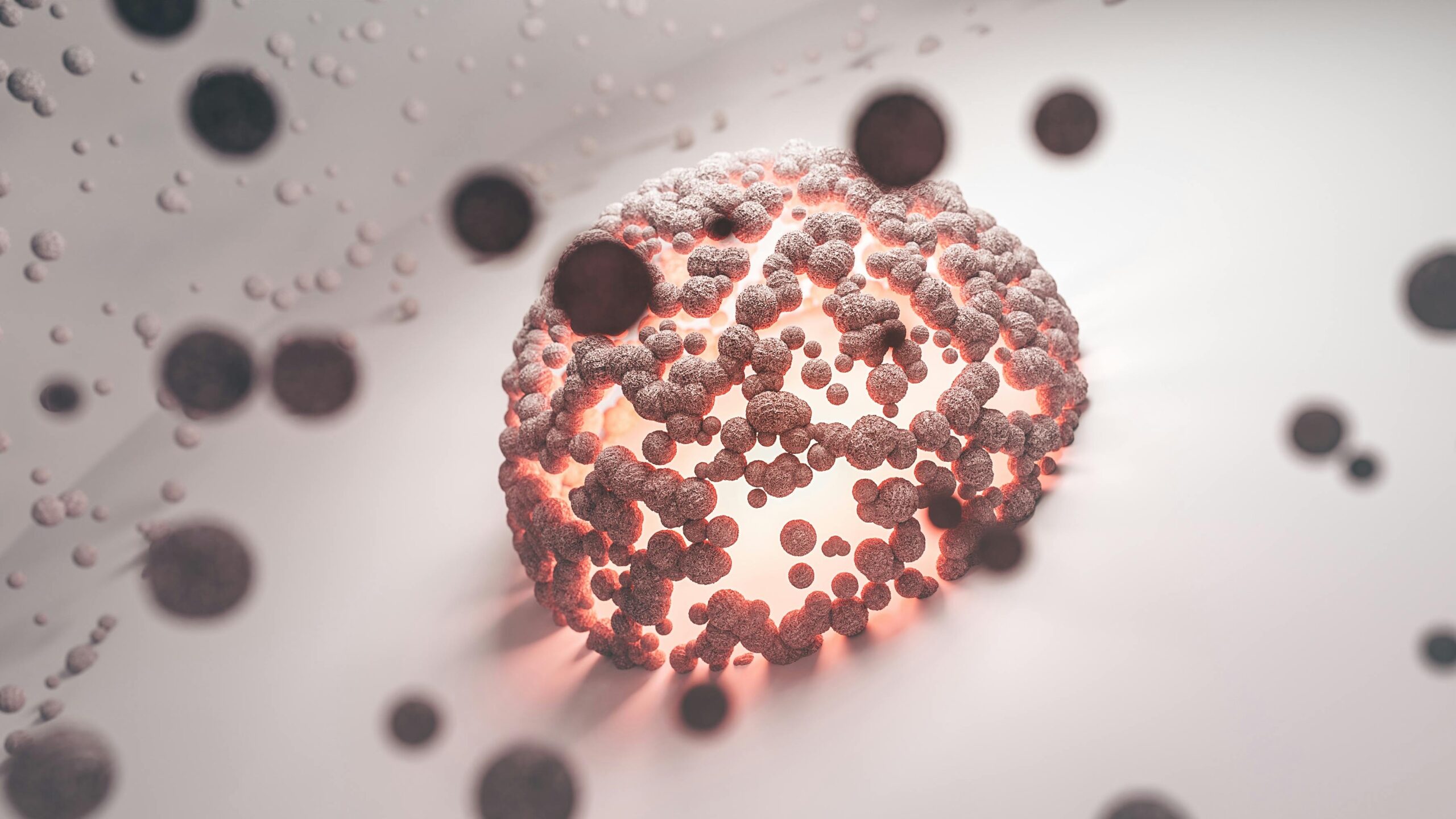
Mitochondria are organelles inside your cells responsible for producing ATP (adenosine triphosphate) — the molecule your body uses as energy.
You need ATP for:
• movement
• brain function
• muscle contractions
• metabolism
• hormone production
• recovery and repair
When your mitochondria slow down, you slow down.
How Mitochondria Decline With Age
Aging naturally reduces mitochondrial number and efficiency. This leads to:
• slower metabolism
• increased fatigue
• reduced strength
• brain fog
• poor recovery
• hormonal imbalance
• faster cellular aging
According to a review in Nature, mitochondrial dysfunction is one of the 9 hallmarks of aging, making it a major contributor to longevity decline.
Environmental factors in the UAE — heat, stress, long work hours, poor sleep — can also accelerate mitochondrial aging.
Signs Your Mitochondria Need Support
Look for these symptoms:
1. Low Energy Even After Sleeping Well
If you wake up tired or need caffeine to function, your ATP production may be low.
2. Slow Recovery From Workouts
Mitochondria power your muscle repair and recovery. Weak output = longer soreness.
3. Reduced Workout Performance
Strength, conditioning, and endurance all depend on mitochondrial capacity.
4. Brain Fog or Poor Concentration
Your brain consumes massive energy. Low ATP = slow thinking, poor focus.
5. Cold Hands and Feet
Poor mitochondrial function reduces metabolic heat production.
6. Early Fatigue in the UAE Heat
If you overheat quickly during Dubai outdoor activities, your cells may not produce energy efficiently.
How Mitochondria Affect Aging
Mitochondria determine how fast or slow you age at the cellular level.
1. Oxidative Stress Increases
Damaged mitochondria generate more free radicals, accelerating cell aging.
2. Telomere Shortening
Your telomeres shorten faster when your cellular energy is weak.
3. Slower Cell Repair
Your cells lose the ability to fix themselves efficiently.
4. Hormonal Decline
Hormones like testosterone, estrogen, and growth hormone all require mitochondrial energy to synthesize.
This is why mitochondrial health is a core pillar of anti-aging cells and longevity science.
How to Boost Your Mitochondria Naturally
Here are evidence-backed ways to improve mitochondrial function — especially useful for busy professionals in Dubai and the UAE.
1. Strength Training & HIIT (In Controlled Amounts)
Both trigger mitochondrial biogenesis — the creation of new mitochondria.
Recommended:
• 2–4 strength sessions/week
• 1–2 conditioning or HIIT sessions/week
• Avoid overtraining (see internal link placeholder: “Signs You’re Overtraining and How to Fix It”)
2. Prioritize Quality Sleep
Sleep is when your body repairs mitochondria.
Aim for:
• 7–9 hours
• Cool room
• Minimal blue light
• Consistent routine
Sleep deprivation drastically reduces ATP production.
3. Eat Mitochondria-Friendly Foods
Choose whole, nutrient-dense foods that support cellular energy:
• salmon
• eggs
• liver (rich in CoQ10 and B vitamins)
• leafy greens
• blueberries
• nuts and seeds
• pomegranate
• dark chocolate (70%+)
These contain antioxidants, minerals, and coenzymes vital for mitochondrial health.
4. Increase Your Protein Intake
Amino acids support cell repair, enzyme production, and mitochondrial regeneration.
Aim for 1.6–2.2 g/kg body weight.
5. Hydrate Consistently (Especially in UAE Climate)
Dehydration directly lowers ATP production.
6. Use Strategic Supplementation (Optional)
Some supplements shown to support mitochondrial function:
• CoQ10
• Alpha-lipoic acid (ALA)
• Magnesium
• Creatine
• Omega-3 fatty acids
• Vitamin B complex
• PQQ (powerful mitochondrial biogenesis compound)
Always consult a professional before adding supplements.
7. Cold Exposure or Heat Exposure
Ice baths and saunas can stimulate mitochondrial activation and stress resilience.
Dubai has many hot-and-cold therapy hubs suitable for this.
8. Sunlight Exposure
Morning sunlight activates circadian rhythm, boosting mitochondrial efficiency and hormone regulation.
Aim for 5–10 minutes daily.
9. Reduce Sugar & Processed Foods
High sugar creates oxidative stress that damages mitochondria.
Choose whole foods, lean meats, healthy fats, and high-fiber meals.
How LAMANN360 Supports Mitochondrial Health & Longevity
Mitochondria are at the heart of everything I do inside the LAMANN360 High-Performance Coaching Program.
You get:
• personalized training plans
• biochemistry-led nutrition
• supplement guidance
• habit tracking
• sleep optimization
• recovery protocols
• lifestyle strategies for longevity
• periodic check-ins and performance analysis
If you want better energy, better workouts, and a slower aging process, optimizing your mitochondrial health is the foundation.
DM “ENERGY” to join the program.
FAQs — Mitochondria Health UAE
1. Can you improve mitochondrial health at any age?
Yes. You can stimulate new mitochondria through training, nutrition, and lifestyle strategies.
2. Does living in Dubai affect mitochondrial health?
Heat stress, long work hours, dehydration, and poor sleep can accelerate mitochondrial fatigue — making optimization even more important.
3. Can weak mitochondria cause fatigue?
Absolutely. ATP production drops when mitochondria decline, leading to low energy and brain fog.
4. Do supplements help mitochondria?
Yes, especially CoQ10, magnesium, PQQ, and omega-3s — but lifestyle remains the foundation.
5. How long does it take to improve mitochondrial function?
Most people feel better in 2–4 weeks with consistent habits, sleep, strength training, and nutrition.