

Biochemist Fitness Coach In Dubai

Most personal trainers rely on general fitness knowledge and trial-and-error programming. A biochemist fitness coach in Dubai brings something different to the table: a scientific understanding of how your body actually processes energy, builds muscle, recovers, and adapts at the cellular level. This is coaching built on biochemistry, not guesswork and for clients who want measurable, evidence-based results, that distinction matters enormously.
If you’ve tried generic training programs before and hit a plateau, or if you simply want a coach who can explain the why behind every recommendation, this specialised approach to fitness coaching in the UAE offers a level of precision most gyms and trainers can’t match.
Background: Biochemistry Coaching Expertise
A background in biochemistry means years of formal study into metabolic pathways, enzyme function, hormonal regulation, and how nutrients are converted into usable energy inside the body. Bringing that academic foundation into a coaching practice changes what personal training actually means.
Instead of following a one-size-fits-all workout template, a biochemist fitness coach evaluates how your unique physiology your metabolism, your hormonal profile and your recovery capacity respond to training stimulus. This isn’t about complicating your program; it’s about removing the guesswork. Every exercise selection, every nutrition recommendation, and every recovery protocol is grounded in an understanding of the underlying biological mechanisms, not fitness trends.
Science-based training starts with a simple premise: the body adapts to stress in predictable, measurable ways if you understand the biochemistry, you can engineer better outcomes.
Science-Based Training Methodology
A biochemistry-informed approach to training considers factors most trainers overlook entirely:
- Metabolic individuality — how efficiently your body uses carbohydrates versus fats for fuel, and how that should shape your training intensity and nutrition timing
- Hormonal response to exercise — how factors like cortisol, testosterone, and insulin sensitivity influence muscle growth, fat loss, and recovery speed
- Cellular adaptation windows — the biological timeframes in which muscle protein synthesis, mitochondrial density, and strength gains actually occur, so training volume and frequency can be optimised rather than randomly increased
This is what separates Evidence-based Training UAE from conventional coaching. Rather than pushing harder simply because more effort seems better, a biochemist coach identifies precisely where your body’s limiting factors are, whether that’s recovery capacity, nutrient timing, or hormonal balance and builds a program that addresses the actual bottleneck.
The result is training that produces visible progress faster, with less wasted effort and a significantly lower risk of burnout or injury from poorly calibrated programming.
Nutrition Optimization Through Biochemistry
Nutrition advice is everywhere, but most of it ignores individual biochemical variation. A biochemist’s approach to nutrition coaching digs into how your body actually metabolises macronutrients, how nutrient timing affects performance and recovery, and how small adjustments to your diet can shift outcomes at a cellular level.
This includes:
- Structuring macronutrient ratios around your specific metabolic profile and training goals, rather than generic percentage guidelines
- Timing carbohydrate and protein intake around training sessions to maximise glycogen replenishment and muscle repair
- Identifying nutrient deficiencies or imbalances that may be silently limiting energy, recovery, or fat loss
- Understanding how factors like blood sugar regulation and insulin sensitivity influence body composition changes over time.
Because this nutrition guidance is rooted in biochemical mechanisms rather than fad-diet philosophy, it holds up to scrutiny and, more importantly, it actually works with your body’s biology instead of against it.
Performance Monitoring And Metrics
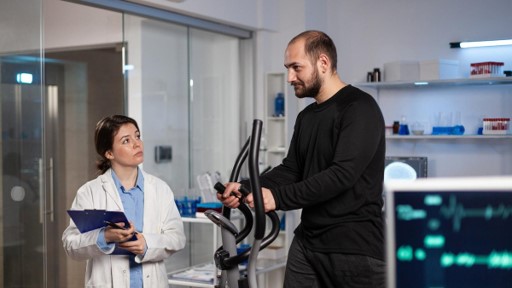
Evidence-based performance optimisation means data, not assumption back every decision in your program. This starts with advanced fitness assessments that go beyond a simple weigh-in or fitness test.
A thorough intake process typically includes baseline measurements of strength, mobility, cardiovascular capacity, and body composition, alongside a detailed review of training history, lifestyle factors, sleep quality, and stress levels all of which have direct biochemical impacts on how your body responds to exercise.
From there, performance is tracked continuously using clear metrics: strength progression, recovery markers, energy levels, and body composition changes over time. This isn’t about chasing numbers for their own sake it’s about using objective data to confirm that the program is producing the intended physiological adaptations, and adjusting quickly when it isn’t.
This continuous feedback loop is what makes evidence-based training genuinely effective. Rather than sticking rigidly to a program for months regardless of results, adjustments are made based on how your body is actually responding biochemically and functionally.

Recovery Science Integration
Recovery is where most fitness plans fall short, and it’s an area where biochemistry offers particularly valuable insight. Muscle growth and performance improvements don’t happen during a workout they happen during recovery, when the body repairs tissue, replenishes energy stores, and adapts to the training stimulus.
A biochemistry-informed recovery protocol considers:
- Sleep quality and its direct role in hormonal regulation and muscle repair
- Inflammation markers and how training load should be adjusted to avoid overtraining
- Recovery nutrition the specific nutrients and timing that support faster tissue repair
- Stress management techniques that reduce cortisol’s interference with recovery and fat loss
By treating recovery as a science rather than an afterthought, training programs can be structured to maximise progress while minimising the injury and burnout risk that comes from poorly managed training loads.
Supplement Recommendations
Supplement recommendations should never be generic. A biochemistry background allows for genuinely evidence-based guidance separating supplements with real physiological support from those built on marketing hype.
This means recommendations are based on your specific goals, existing nutrient status, and training demands, focusing only on interventions with a credible mechanism of action and outcome data behind them. It also means being upfront about what supplementation can and can’t do b. Biochemistry-based coaching prioritises getting the fundamentals of training, nutrition, and recovery right first, using supplementation as a targeted addition rather than a shortcut.
Clients who’ve worked with a biochemistry-based coaching approach consistently report breaking through plateaus that generic programs couldn’t resolve. Whether the goal is fat loss, muscle gain, or athletic performance, understanding the biochemical why behind a stalled result makes it possible to identify and fix the actual limiting factor rather than simply working harder at the wrong thing.
These transformations tend to be more sustainable, too. Because programs are built around how each client’s body genuinely functions, the results hold up long after the initial coaching period ends, and clients walk away with a genuine understanding of their own physiology.
Book Specialized Assessment
If you’re ready to move beyond generic fitness advice and train with a coach who understands the science behind your results, book a specialised assessment today. Your program will be built entirely around your body’s actual biochemistry, not a template.
Frequently Asked Questions
What makes a biochemist fitness coach different from a regular personal trainer?
A biochemist fitness coach applies formal scientific training in metabolism, physiology, and nutrition science to build individualised programs going beyond standard certification-level fitness knowledge to address the underlying biological mechanisms driving your results.
Is this approach suitable for beginners, or only advanced athletes?
Evidence-based, biochemistry-informed coaching benefits clients at every level. Beginners often see faster, safer progress because programming avoids common mistakes, while advanced athletes benefit from precision optimisation to break through plateaus.
Will my program involve complicated science I need to understand myself?
No t, the science informs the coaching, but the experience remains simple and practical. You’ll get clear explanations when helpful, without needing a biochemistry background yourself.
How is progress measured?
Through a combination of strength and performance metrics, body composition tracking, and subjective markers like energy and recovery quality, reviewed regularly to keep the program aligned with your biological response.