
Fitness goals rarely follow a straight line. Some weeks feel easy, others feel like a battle against your own couch. That’s exactly why choosing the right training style matters more than most people realize. Whether you thrive with a room full of people cheering you on, or you need someone watching your every rep, the decision between 1-on-1 coaching UAE options and group sessions can shape your entire fitness journey.
We often meet people who jump into a program without asking the one question that matters most: which style actually fits my life? In this blog, we break down both approaches so you can make a decision that sticks, not one you abandon in three weeks.
What Is 1-on-1 Coaching?
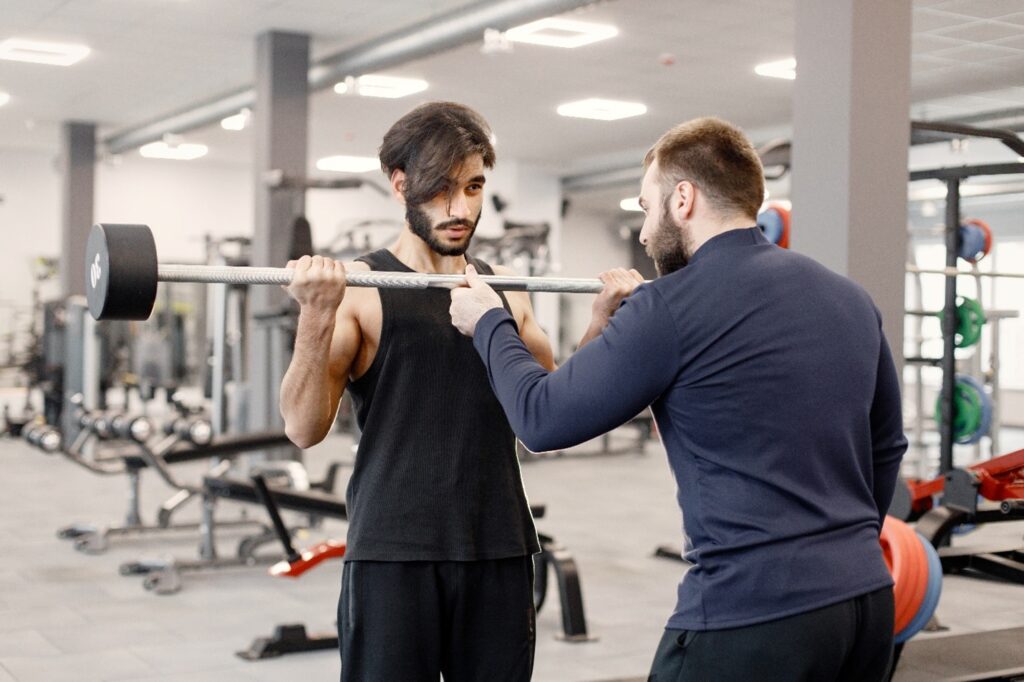
One-on-one coaching means exactly what it sounds like. One trainer, one client, full attention.
There’s no shared spotlight here. Every exercise, every rep count, every small correction gets built around your body, your history, and your pace.
Key Features of Personal Training
- Custom workout plans based on your fitness level
- Real-time form correction to avoid injury
- Flexible scheduling around your routine
- Direct accountability with a dedicated coach
- Nutrition guidance tailored to your goals
Many people searching for personal training UAE services want this exact setup. Life in the region moves fast, and a coach who adapts to your calendar rather than the other way round makes a noticeable difference.
What Is Group Training?
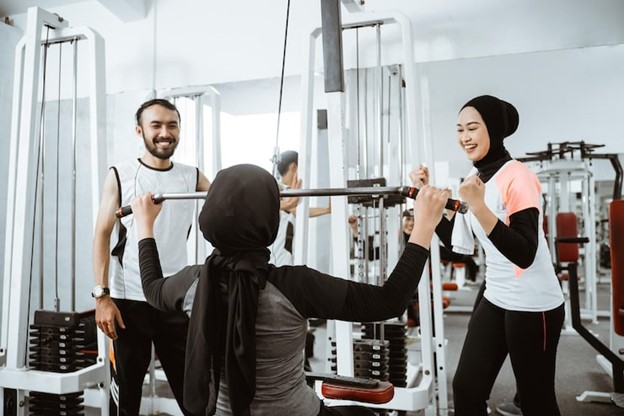
Group training brings a different kind of energy. Picture a shared workout space where a handful of people follow the same session, guided by one trainer managing the whole room.
It’s social. It’s often more affordable. And for some people, it’s exactly the push they need.
Key Features of Group Sessions
- Lower cost per session compared to private coaching
- Built-in motivation from training alongside others
- Fixed class schedules and structured formats
- Less individual attention per person
- Programs designed for general fitness levels, not specific needs
Group classes work brilliantly for people who enjoy community energy. Still, the workout itself isn’t shaped around your particular body or your particular goals.
Comparing the Two: What Actually Matters
Choosing between these two styles isn’t about which one is “better” in general. It’s about which one matches your goals, your budget, and honestly, your personality.
1. Attention and Personalization
A private coach studies your movement patterns, your injury history, and your progress week by week. Group sessions, by nature, cannot offer that same depth of focus. When ten people share one instructor, corrections become general rather than specific.
If your goal involves fixing a nagging injury or building strength safely, individual attention becomes far more valuable.
2. Pace and Flexibility
Your schedule doesn’t always cooperate with fixed class timings. Private sessions allow you to train early morning, late evening, or whenever your day actually permits it.
Group classes run on set timetables. Miss one, and you often wait for the next slot.
3. Cost Considerations
Group training tends to cost less per session, which makes sense given shared resources. Private coaching costs more, but that price reflects dedicated planning, individual programming, and constant feedback.
Think of it less as an expense and more as an investment in results that actually last.
4. Motivation Style
Some people need a group’s energy to push through a tough set. Others perform better with quiet, focused guidance from a coach who knows exactly what they’re capable of.
Neither style is wrong. It genuinely depends on how you’re wired.
5. Accountability Levels
A private trainer notices when you skip protein at lunch or when your sleep pattern starts affecting your performance. That level of accountability rarely exists in a group setting, where the focus stays on the collective session rather than your individual habits.

How to Choose the Best Personal Trainer in the UAE
Finding the best personal trainer isn’t about picking the most popular name on Instagram. It comes down to a few practical checks.
Questions Worth Asking Before You Commit
- What certifications and background do the trainer hold?
- Do they build programs around your specific goals, or use a fixed template?
- How do they track progress over time?
- Can they explain the reasoning behind their coaching methods?
- Do past clients report consistent, measurable results?
A qualified trainer should answer these clearly, without vague marketing language. Real expertise shows in specifics, not slogans.
Signs of a Strong Coaching Approach
- Programs built around your body, not a generic template
- Clear communication about form, nutrition, and recovery
- Willingness to adjust plans as your progress changes
- Evidence-based methods rather than trends
- Honest feedback, even when it’s not what you want to hear
Which Option Fits You Best?
There’s no universal answer here, but a few patterns tend to hold.
Choose 1-on-1 coaching if:
- You have specific goals like fat loss, strength building, or injury recovery
- You prefer detailed feedback on every movement
- Your schedule needs flexibility
- You want a nutrition plan built specifically for you
Choose group training if:
- You enjoy working out with others
- Budget plays a major role in your decision
- Your goals are general fitness rather than specific outcomes
- You thrive on shared energy and competition
Some people even combine both, using group sessions for cardio or community energy, and private coaching for strength work or targeted goals.
Why Personalized Coaching Often Delivers Stronger Results
Numbers tell part of the story here. Studies consistently show that individualized attention improves adherence, meaning people stick with their program longer when someone is directly accountable for their progress.
A structured, science-backed approach reduces injury risk too. When a coach studies your movement patterns before assigning heavy loads, you avoid the common mistakes that happen in busier group settings.
This doesn’t mean group training lacks value. It simply means outcomes tend to align more closely with individual attention when your goals are specific rather than general.

Practical Tips for Getting Started
- Start with a trial session before committing to a long-term package
- Set clear, measurable goals with your coach from day one
- Track your progress weekly, not just monthly
- Communicate openly about what’s working and what isn’t
- Stay consistent; results build gradually, not overnight
Conclusion
Choosing between private coaching and group training ultimately depends on your goals, your schedule, and how you personally stay motivated. Both paths can lead to genuine progress when approached with consistency and the right guidance.
At lamann360, we build coaching experiences around real, individual needs rather than one-size-fits-all templates. Whether your goal is strength, longevity, or simply feeling stronger in daily life, the right coaching approach can make all the difference in reaching it.
Frequently Asked Questions
1. Is 1-on-1 coaching in the UAE worth the extra cost compared to group classes?
Private coaching offers focused attention, tailored programming, and faster correction of form issues. For people with specific goals, the investment often pays off through better results and fewer setbacks.
2. How do I know if I need personal training or group sessions?
If you have a specific target such as weight loss, muscle gain, or injury recovery, personal training provides more precise guidance. Group training suits those seeking general fitness and social motivation.
3. What should I look for in the best personal trainer in the UAE?
Check certifications, ask about their coaching methodology, and review client outcomes. A strong trainer explains their reasoning clearly and adapts programs based on your progress.
4. Can I switch between personal training and group sessions?
Yes. Many people combine both styles, using private sessions for targeted strength or recovery work and group classes for variety and community motivation.