
People in the UAE are thinking about recovery a lot more now. A few years back, most people only cared about workouts. Burn calories. Lift heavier. Go home. Different story now. Stress is high. Sleep is messy. Bodies feel tired all the time. That shift explains why searches for sauna Dubai services keep growing fast.
Heat therapy is old. Really old. Ancient cultures used heat rooms long before wellness became trendy online. Funny thing though, modern science keeps proving they were onto something.
Athletes use sauna sessions after training. Office workers use them after long days stuck at a desk. Some people just want quiet for twenty minutes. Honestly, that alone helps more than expected sometimes.
This blog breaks down the real sauna benefits, how heat therapy supports recovery and why wellness spaces across the UAE keep adding it to recovery programs.
What Heat Therapy Really Does
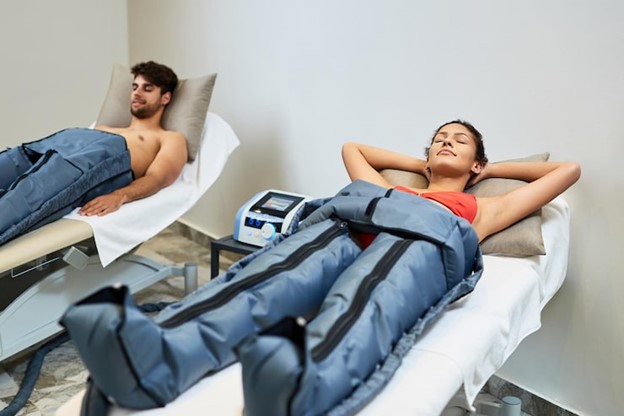
Heat therapy sounds complicated, but it is pretty simple. The body warms up. Blood flow increases. Muscles loosen. Breathing slows down a little too.
Traditional saunas, steam rooms and infrared saunas all work differently. Still, the goal stays almost the same. Recovery. Relaxation. Resetting the body a bit.
The body reacts fast to heat. Blood vessels open wider. Tight muscles soften up. Stiffness eases. Some people even feel mentally lighter afterward. Hard to explain exactly. Kind of like finally unclenching your jaw after a stressful day without noticing you were tense the whole time.
Many heat therapy UAE wellness spaces now pair sauna sessions with hydration advice and recovery coaching because recovery works better when everything connects together.
Sauna and Muscle Recovery
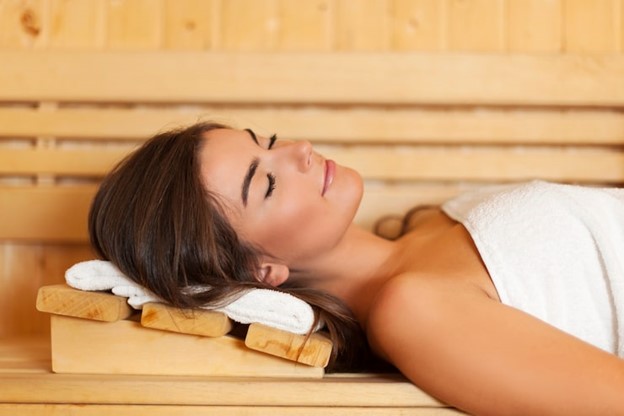
Muscles carry stress longer than people think. Tough workouts do it. Sitting for ten hours does it too, weirdly enough.
Heat helps by improving circulation through sore areas. More blood flow means muscles recover more smoothly after strain.
A 2021 review published in the International Journal of Environmental Research and Public Health found regular sauna use may support recovery, stress reduction and cardiovascular wellness. That explains why athletes have relied on heat therapy for years now.
Common recovery sauna benefits include:
- Less muscle tightness
- Better circulation
- Reduced soreness after workouts
Nothing dramatic happens overnight though. Recovery usually feels gradual. Then one day the body simply handles stress better than before.
Heat Therapy Helps Calm the Nervous System
Stress is not just emotional. It sits inside the body too. Poor sleep. Brain fog. Tight shoulders. Irritability. Random exhaustion at 3 PM for no reason. Stress builds quietly before people fully notice it.
Sauna sessions encourage the nervous system to slow down. Breathing becomes steadier. Muscles relax. The body finally gets a break from constant stimulation.
Silence helps too. No screens buzzing every few seconds. No emails. No meetings. Just heat and quiet.
A Finnish study following more than 2,000 adults linked regular sauna use with improved cardiovascular health and lower long-term wellness risks. Finland treats sauna culture almost like a life ritual. Not a luxury. More like maintenance.
That idea actually makes sense.
Sauna Benefits for Sleep
Bad sleep changes everything. Energy drops. Focus disappears. Recovery slows down. Even the mood feels heavier.
Heat therapy may improve sleep because body temperature slowly cools after a sauna session. That cooling effect tells the brain it is time to rest.
Many people across Dubai now use evening sauna sessions mainly for better sleep quality. Not fitness. Just proper rest.
A few small habits help:
- Drink water before and after sessions
- Keep sauna sessions short at first
- Cool down slowly afterward
People sometimes overdo recovery. Strange but true. Longer sessions do not always mean better results.
Infrared Sauna vs Traditional Sauna
Infrared saunas have become popular across premium wellness centers in the UAE. They heat the body directly using infrared light instead of heating the full room.
Traditional saunas create stronger ambient heat. Hotter air. Heavier sweat. More intense overall.
Some people love the deep heavy heat from traditional saunas. Others prefer the gentler warmth from infrared sessions. Neither option is automatically better. Comfort matters more than trends honestly.
The best recovery routine is usually the one people actually stick with consistently.
Detox Recovery and Sweating
The internet talks about detox constantly. Most of it gets exaggerated. The liver and kidneys already do most detox work naturally.
Still, sweating does help the body release small amounts of waste materials. Sauna sessions also encourage better hydration habits, which support recovery overall.
That is why many wellness coaches include sauna sessions inside broader detox recovery tips programs focused on recovery, sleep, hydration and movement together.
The basics still matter most. Water. Rest. Consistency. Simple things. Annoyingly simple sometimes.
Conclusion
Sauna and heat therapy continue growing because people genuinely feel the difference after regular sessions. Better sleep. Less tension. Faster recovery. Calmer energy levels. Small changes stack together over time.
Wellness trends come and go constantly. Heat therapy stayed around because it actually helps people slow down and recover better.
For people wanting a smarter approach to performance, recovery and long-term wellness, lamann360 continues building science-backed wellness strategies designed for modern lifestyles.
FAQs
What are the biggest sauna benefits?
Sauna sessions may help improve circulation, support recovery, lower stress levels, and improve sleep quality.
Why is sauna Dubai becoming popular?
People in Dubai are focusing more on wellness, recovery, and stress management, which increased interest in sauna therapy.
Does heat therapy help sore muscles?
Yes. Heat may improve blood flow and help reduce muscle tightness after workouts or long workdays.
How often should heat therapy be used?
Many people use sauna or heat therapy two to four times per week depending on comfort and recovery goals.