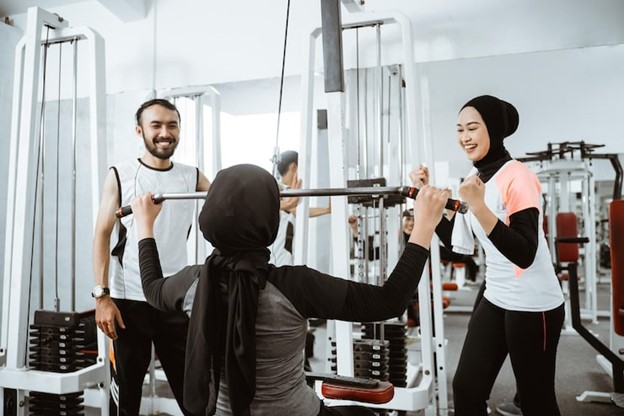

Most people walk into a gym, pick up random weights, and hope something changes. Weeks pass. Nothing does. That’s not a motivation problem. That’s a science problem and it’s one we solve every single day through Strength Training in Dubai programs built on biology, not guesswork or trends.
Why Most Gym Routines Fail Before They Even Start
Walking into a gym without a plan is like cooking without a recipe. You might get lucky once. You will not get consistent results.
Here’s what we see constantly with new clients:
- Random exercise selection with no progression logic
- No understanding of recovery windows between sessions
- Diet completely disconnected from training goals
- Zero tracking, so progress becomes invisible
Muscle growth is not mysterious. It follows biological rules. When those rules get ignored, time gets wasted and motivation fades fast.
The Biochemistry Behind Building Muscle
Muscle tissue grows through a process called protein synthesis. Training creates microscopic tears in muscle fibers. Recovery repairs them and with the right nutrition, they come back stronger.
That sounds simple on paper. In practice, three variables decide whether this process actually works.
Progressive Overload Done Right
Your muscles adapt to stress. Once they adapt, the same workout stops producing results. Weight, reps or intensity must increase gradually and consistently.
Random increases do not work either. Overloading too fast leads to injury. Too slow, and progress stalls completely.
Protein Timing and Intake
Protein feeds the repair process. Most people either eat too little or eat it at the wrong times, missing the recovery window entirely.
A general guideline we use with clients:
- Spread protein intake across three to four meals daily
- Prioritize protein within two hours after training
- Match intake to body weight and training intensity, not generic online charts
Recovery as Muscle-Building Fuel
Muscles do not grow during training. They grow during rest. Sleep quality, stress levels and hydration all directly affect how efficiently your body repairs tissue.
Many people training five or six days a week without adequate recovery simply run their bodies into a wall.
What Effective Strength Training in Dubai Actually Looks Like

Dubai’s fast pace often pushes people toward shortcuts. Quick fixes rarely build lasting strength.
An effective program typically includes:
- Compound movements like squats, deadlifts and presses that engage multiple muscle groups
- Structured progression plans tracked weekly, not guessed monthly
- Nutrition support tailored to individual metabolism and goals
- Recovery protocols built directly into the weekly schedule
Strength training done properly is not about spending more hours in the gym. It’s about spending the right hours doing the right things.
Mental Training Programs Dubai: The Missing Link in Physical Results
Physical strength and mental discipline are connected more than most people realize. Clients often show up motivated for two weeks, then life gets busy and consistency collapses.
That’s precisely where Mental Training Programs in Dubai make a measurable difference. These programs address the psychological patterns behind quitting, procrastination and inconsistent effort.
Focus areas usually include:
- Building sustainable habits instead of relying on short bursts of motivation
- Managing stress that interferes with recovery and sleep
- Developing focus techniques that carry into training sessions
- Creating accountability systems that outlast initial enthusiasm
Strength training becomes far more effective when the mind supports the body’s effort rather than working against it.
Why Online Coaching Programs UAE Are Changing the Game
Not everyone has time for daily gym visits, particularly working professionals juggling demanding schedules across Dubai and beyond.
Online Coaching Programs UAE solve this practical challenge without compromising on results. Training plans, nutrition guidance and progress tracking all happen remotely, fitting into real schedules rather than forcing life around a gym timetable.
Benefits our clients consistently mention include:
- Flexibility to train at home, in a hotel gym or while traveling
- Direct coach communication through messaging apps
- Structured accountability without daily in-person check-ins
- Programs that adjust based on equipment availability
Distance no longer limits access to quality coaching. Results depend on the science behind the program, not the location where training happens.
How We Approach Strength Building Differently
Our background in biochemistry and pathology shapes how we design every program. Rather than following generic templates, we assess individual biology, lifestyle and goals first.
This approach includes:
- Assessment before action – understanding baseline strength, mobility and health markers
- Personalized programming – no copy-paste workout plans
- Nutrition aligned with training phase – adjusting intake as goals shift from fat loss to muscle gain
- Ongoing tracking – measuring actual progress, not assumptions
We built our coaching around measurable outcomes rather than quick promises, because sustainable strength takes structured effort over time.
Common Mistakes That Slow Down Muscle Growth

Even dedicated gym-goers fall into patterns that quietly limit progress.
Watch for these:
- Training the same muscle groups without adequate rest days
- Ignoring form in favor of lifting heavier weights
- Under-eating protein while expecting muscle gains
- Skipping sleep while maintaining intense training schedules
Correcting even two or three of these issues often produces noticeable improvement within weeks.
Building Strength That Actually Lasts
Strength training is not a short-term project with a finish line. It’s an ongoing relationship between training, nutrition, recovery, and mindset.
When these elements work together, progress becomes predictable rather than accidental. Clients stop guessing and start seeing measurable change, both physically and mentally.
The Role of Rest Days in Long-Term Strength Gains
Rest days often get treated as wasted time, but that thinking works against progress. Muscles rebuild stronger only when given enough space to recover between sessions. Skipping rest to train harder usually backfires, leading to fatigue, poor form and stalled results. We encourage clients to view rest as part of the training process itself, not a break from it. A well-placed rest day supports better performance in the next session, which ultimately builds strength faster than constant, unbroken effort ever could.
Conclusion
Building muscle efficiently requires more than effort in the gym. It requires understanding how the body actually responds to training, nutrition and recovery. When science guides the process, time spent training produces real, lasting results instead of frustration.
At Lamann360, we combine biochemistry-based coaching with personalized strength programs, mental training support, and flexible online coaching options designed for real UAE lifestyles. Strength built on science does not just show up in the mirror. It shows up in how you move, think and perform every single day.
Frequently Asked Questions
How long does strength training in Dubai take to show visible results?
Most clients notice strength improvements within four to six weeks, while visible muscle changes typically appear around the eight-to-twelve-week mark, depending on consistency and nutrition.
Can online coaching programs UAE deliver the same results as in-person training?
Yes. With structured programming, regular check-ins, and clear nutrition guidance, online coaching can match in-person results, particularly for clients with consistent schedules and reliable equipment access.
Why do mental training programs matter for physical strength goals?
Physical progress often stalls due to inconsistent habits, stress, or lack of focus. Mental training programs address these psychological barriers directly, supporting long-term adherence to strength training plans.
Do I need gym experience before starting a strength training program?
No prior experience is required. Programs begin with an assessment of current fitness levels, allowing training intensity and exercise selection to match individual starting points safely.